
Roller Blind RFQs: Define the Quoted Width
Which width should a roller blind quotation identify?
Ask the supplier to name the width being quoted and mark its measurement endpoints on a reference for the offered assembly. Request the fabric width as a separate identified dimension when it matters to the purchase. Record units, the product variant and the drawing revision. The word ‘width’ becomes useful purchasing information when both parties can point to the same endpoints, rather than relying on an unexplained number in a quotation.
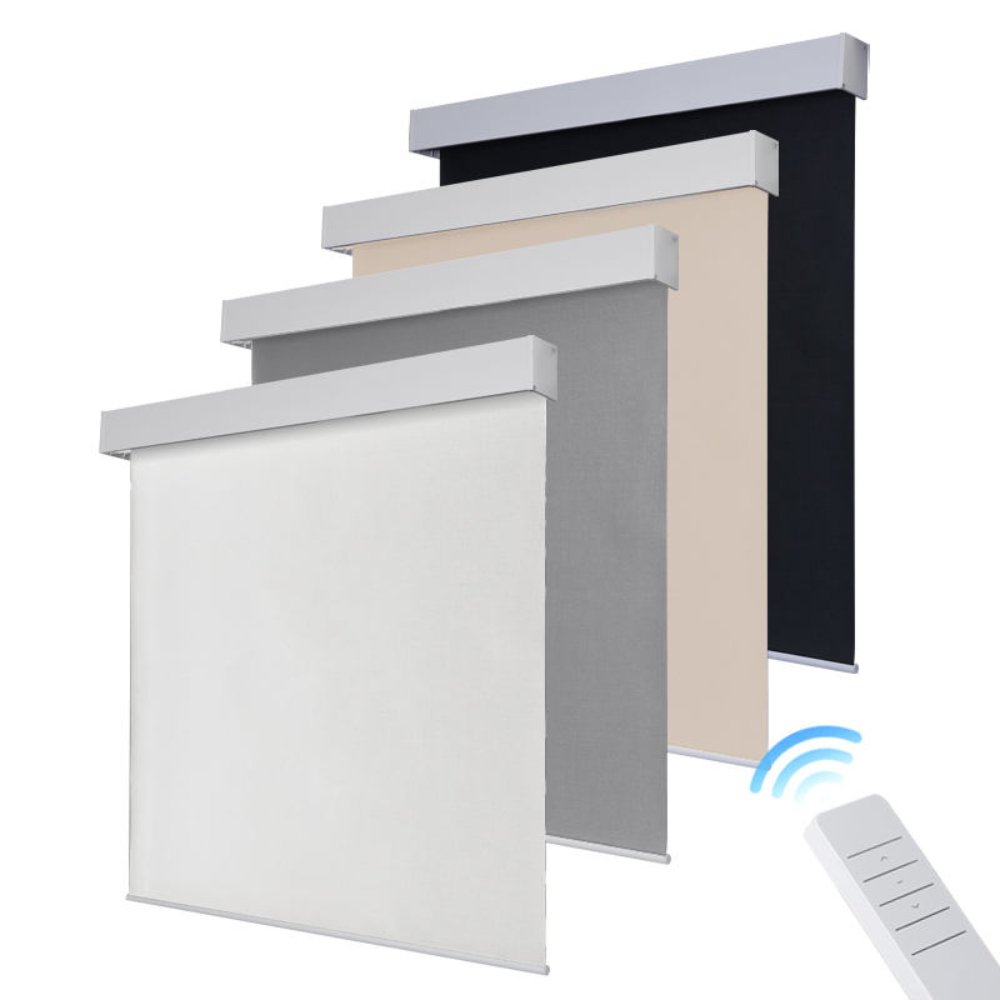
Heqia’s Indoor Roller Blinds product page provides a starting product reference within its roll-up curtain range. The reviewed page does not provide numerical width specifications or fitting deductions. Use the enquiry to obtain those details for the actual offer. The catalogue appearance does not establish an order-specific dimension or confirm the availability of a requested size.
Official Indoor Roller Blinds catalogue reference. Request the actual quoted dimensions, fabric and offered control option from the supplier.
Name the dimension before comparing the price
Put a dimension-name field beside each width in your RFQ schedule. Ask whether the supplier’s quoted width describes the complete offered assembly, the textile portion or another stated reference. If the supplier uses its own abbreviation, request its definition. Preserve that definition with the quotation so that purchasing and the person reviewing the product drawing use the same basis.
Keep the requested measurement and the supplier’s proposed measurement distinguishable. A supplier may offer a particular variant rather than the size initially requested. Ask it to identify the proposed version and explain which width reference its offer uses. This helps a buyer compare the actual quoted products without silently treating two differently defined widths as the same specification.
Request an endpoint diagram for the offered version
A marked drawing or suitable supplier reference should show where each dimension starts and ends. Ask the supplier to identify the assembly condition used for the reference and any component that changes the stated overall extent. Keep conditional items clear: if an optional part affects the drawing, the supplier should identify the option to which the dimension applies. Do not infer its inclusion from a catalogue illustration.
The reference needs enough detail to connect the dimension with the product being quoted. A generic drawing of another blind may explain terminology but still leave the offered version uncertain. Request the manufacturer’s applicable drawing identifier or another clear version reference. If a drawing is unavailable, ask the supplier what marked reference it can provide and record the remaining ambiguity in the quotation review.
Official Indoor Roller Blinds catalogue reference. Request the actual quoted dimensions, fabric and offered control option from the supplier.
Buying field
Requested supplier response
Offered product and variant
Identify the exact assembly represented by the quotation.
Quoted width definition
State the dimension name and identify both measurement endpoints.
Overall assembly width
Provide the applicable value, unit and marked supplier reference.
Fabric width
Give its separate value, endpoints and stated measurement condition.
Drawing and option reference
Identify the drawing revision and any relevant offered option.
Order-line correspondence
Map each accepted dimensional reference to the quotation line and quantity.
Record fabric width independently
Ask the supplier to identify the fabric-width endpoints on the same reference or on an explicitly linked detail. Use its defined measurement condition and unit. This keeps a visible textile dimension separate from a dimension describing the larger assembly. A fabric sample can help identify the selected textile, but a small swatch does not establish the finished fabric width of the quoted blind.
Do not calculate a finished textile width by applying an assumed deduction to the overall width. Obtain the supplier’s actual dimensions and their definitions. If the relationship matters to the purchase, ask the supplier to explain it for the offered version. A difference between two supplied dimensions is a comparison of those defined references; it should not be repurposed as a universal fitting allowance.
Keep quotation lines tied to drawing revisions
For an enquiry with several requested sizes, give each line a buyer reference and preserve its dimensional definitions. Ask the supplier to return the corresponding offered variant, units and drawing revision. Keep the quantity attached to the same line. A combined price summary is easier to use when the accepted dimensional schedule remains available beneath it.
When the supplier revises a drawing or offers another assembly option, identify the affected order lines and request an updated quotation reference where needed. Do not let an old dimension remain attached to a revised product simply because the product name has stayed the same. The record should make clear which drawing and width definition purchasing has accepted for each line.
Official Indoor Roller Blinds catalogue reference. Request the actual quoted dimensions, fabric and offered control option from the supplier.
Make the sample and order references consistent
If a sample or manufacturer-prepared reference is supplied, connect it to the accepted product and drawing version. Ask whether it represents the quoted width or only an appearance sample. That distinction matters when the buyer uses the sample to discuss a later order. Record any limitation instead of treating every sample as a complete dimensional approval.
Use the Heqia website to identify the product family, then make the supplier’s dimensional response part of the commercial enquiry. The resulting record should answer a specific question: what width does this offer represent? Site measurements, fitting decisions and other project requirements can be managed separately without changing the meaning of the supplier’s quoted dimension.
Keep the offer references together
The actual offered product and supplier variant reference.
The applicable drawing, sample or manufacturer document revision.
The matching quotation line and separately identified options.
Example supplier request
Please quote the indoor roller blinds against the attached order-line schedule. For each offered version, define the quoted width and mark its endpoints. Provide overall assembly width and fabric width as separately named dimensions with units, and identify the applicable drawing revision. State any option that changes the dimensional reference. If the requested size is unavailable, identify your proposed alternative separately. Link the accepted dimensions to the quotation line; no unconfirmed fitting deduction is part of this request.
Buyer FAQ
Does the word width always mean the fabric width?
Ask the supplier to define its quoted term. A width value without a named reference and endpoints leaves uncertainty about whether it describes the textile, the assembly or another dimension.
Can the fabric width be calculated using a standard deduction?
Use dimensions confirmed for the actual offered version. Do not introduce an assumed deduction. Ask the supplier to provide and explain the applicable overall and fabric references.
What if the supplier uses a different unit from the RFQ?
Keep the original unit visible and reconcile the quotation schedule explicitly. Confirm which unit belongs to each accepted dimension so that a converted value cannot be mistaken for a separately offered size.
Is a general product photograph a dimensional reference?
It identifies appearance, but it is not an order-specific measurement record. Request a marked supplier reference linked to the offered assembly and quotation.
How should a width change be handled on a reorder?
Identify the earlier accepted product and drawing, state the proposed change and request a new supplier confirmation. Keep the revised dimension and quotation references together.
wholesale roll-up curtainsB2B supplier sample record