
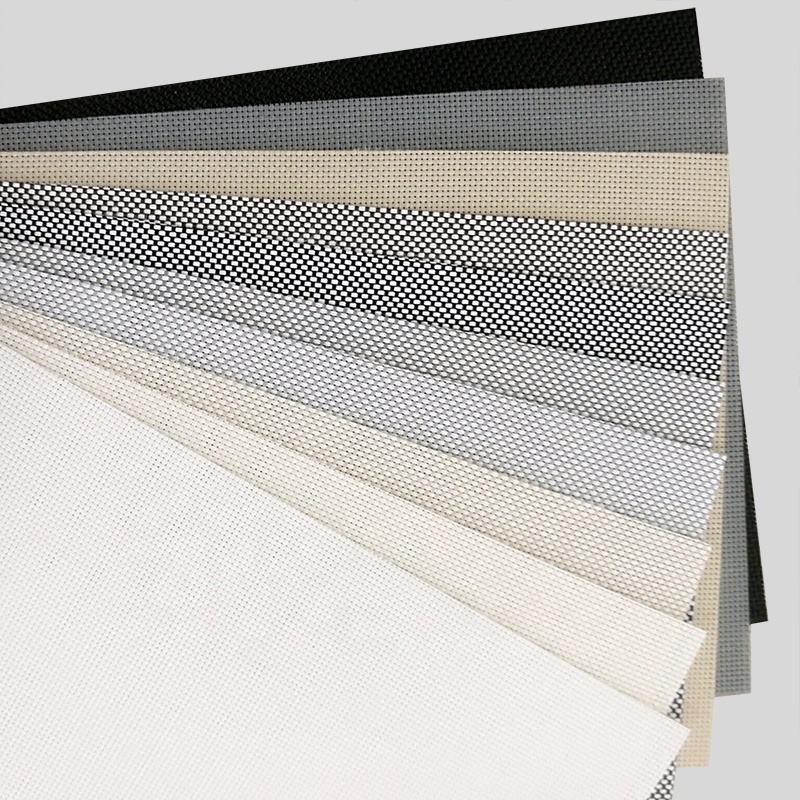
Roller Blind Fabrics: Match the Swatch Reference
How do you match a roller-fabric swatch?
Ask the supplier to connect the actual offered roller fabric to a swatch identifier, its stated face and reverse, and the quotation reference. Request any orientation reference the supplier uses and the applicable fabric code or revision. If a physical swatch is offered, identify which sample becomes the agreed reference. Keep later differences linked to that record instead of approving an unnamed piece of fabric.
Start with the Indoor Roller Blinds product reference and retain the supplier homepage with the inquiry. The catalogue names the product but does not identify a quotation-specific fabric code. Request that connection for the actual offer rather than treating a product photograph as the complete fabric specification.
Official Indoor Roller Blinds catalogue reference. Request the actual quoted dimensions, fabric and offered control option from the supplier.
Confirm whether a physical reference is offered
Ask whether the supplier can provide a physical fabric swatch for the roller blind being quoted. If so, request its identifier and the supplier’s description of what it represents. If only a photograph or another reference is available, record that form explicitly. Do not label a digital image as a physical sample received.
A fabric close-up can help identify visible texture for a supplier conversation. Apparent openings remain an appearance reference; they do not establish a technical property. Ask the supplier to identify the fabric represented and confirm whether that reference belongs to the actual quoted offer.
Use the supplier’s face and orientation references
Request the supplier’s designation of the fabric face and reverse, if it distinguishes them. Ask for a marked reference or a written explanation using its own terminology. Keep that designation with the swatch identifier. Do not assign a functional face merely because one side looks more familiar in a photograph.
Ask whether an orientation reference is needed to identify the offered fabric and, if used, what the supplier’s notation means. Link the answer to the swatch or reference image it identifies. This is a sample-identity record, not an installation instruction. If no distinction or direction is specified, retain that explicit answer rather than inventing an arrow or side designation.
Official Indoor Roller Blinds catalogue reference. Request the actual quoted dimensions, fabric and offered control option from the supplier.
Buying field
Requested supplier response
Offered roller-fabric reference
Identify the actual fabric offered for the linked Indoor Roller Blinds quotation.
Swatch availability and identifier
Confirm whether a physical swatch is offered and identify the reference actually provided.
Face and reverse designation
State the supplier’s applicable side terminology and its marked or written reference.
Orientation reference
Identify any supplier-defined direction notation, or explicitly state that none is specified.
Quotation and version mapping
Link the fabric code, quotation line, revision and batch reference where stated.
Retention and difference record
Confirm the retained reference arrangement and identify any unresolved difference between supplied references.
Connect the swatch to the quoted fabric
Request the fabric code or other identifier used on the supplier’s quotation. Ask the supplier to map it to the sample reference and identify the applicable quotation line and revision. Where a batch reference is stated, ask what material that batch identifier covers. Do not assume that an unlabelled swatch represents every fabric offered under the same roller-blind product name.
If the supplier does not use a fabric code, request the alternative identification it can confirm for the actual offer. A sample identifier and written description may provide a reference, but the supplier should establish their relationship. Keep the same references in the purchasing record so another buyer can identify what was discussed without guessing from a loose photograph.
Retain the agreed reference and record differences
If a physical sample is provided, ask which reference can be retained and by whom. Record its identifier and the supplier’s agreement about the sample associated with the quotation. Keep any related reference image or marked-side explanation attached to the same record. A retention arrangement should be confirmed rather than assumed to be a standard supplier service.
When a later reference appears different, record the two identifiers, the relevant quotation revision and the observed difference. Ask the supplier to explain which reference is intended for the offer and whether a replacement reference is proposed. Keep the earlier sample record as history instead of silently renaming a different piece with the approved identifier.
Official Indoor Roller Blinds catalogue reference. Request the actual quoted dimensions, fabric and offered control option from the supplier.
Return a concise matching request
Use the six-field table to request one connected response. Mark unanswered fields separately from confirmed statements. A reply that identifies a swatch but leaves its quotation relationship unclear should return as a specific open question, not as a completed fabric approval.
Keep the offer references together
The actual offered product and supplier variant reference.
The applicable drawing, sample or manufacturer document revision.
The matching quotation line and separately identified options.
Example supplier request
Subject: Fabric-swatch reference for the offered Indoor Roller BlindsPlease identify the actual fabric in your quotation for the linked roller-blind reference and confirm whether a physical swatch is offered. If a reference can be provided, state its identifier and the fabric code or description it represents.Please identify the supplier-defined face and reverse, together with any orientation notation used for that reference. Link these answers to the quoted fabric, quotation line, revision and applicable batch reference where stated.Please also confirm the retained-reference arrangement, if offered. If the proposed swatch differs from an earlier reference, identify both and explain which one applies to the quotation. Mark unavailable or unresolved fields separately rather than assuming the catalogue image completes the sample record.
Buyer FAQ
Can a photograph replace a physical swatch?
Ask what reference the supplier actually offers and record what is received. If it is an image, identify it as an image and request its relationship to the quoted fabric. Do not record a physical sample that was not provided.
Are the fabric face and reverse obvious from the picture?
Request the supplier’s own designation and the reference it applies to. Visible texture alone does not establish the intended side. Keep any confirmed side notation associated with the actual swatch identifier.
Do visible openings establish a fabric performance value?
Use them only as an appearance reference in the supplier conversation. Request the actual offered fabric identity and its stated description. Do not derive a technical value or performance conclusion from the photograph.
How should the swatch be linked to a quotation?
Record the supplier’s fabric identifier, the applicable quotation line and its revision. Add a batch reference where one is stated, and request explicit confirmation that the identified sample represents that offer.
What if a later sample looks different?
Retain both reference identities and record the observed difference. Ask the supplier which reference is intended for the actual offer. Do not replace the earlier identifier without an explained and recorded reference change.
wholesale roll-up curtainsB2B supplier sample record