
Double-Layer Blinds: Define the Sample Coverage
What should a double-layer blind sample enquiry specify? Ask the manufacturer to identify the exact offered product and explain what its proposed sample will show: the contrasting band types, their repeat relationship, the viewing direction and the sample boundaries. Link the sample to the quoted variant. The catalogue name Double-layer Venetian Blinds and a banded photograph alone do not establish a layer mechanism, material composition or light-control performance.
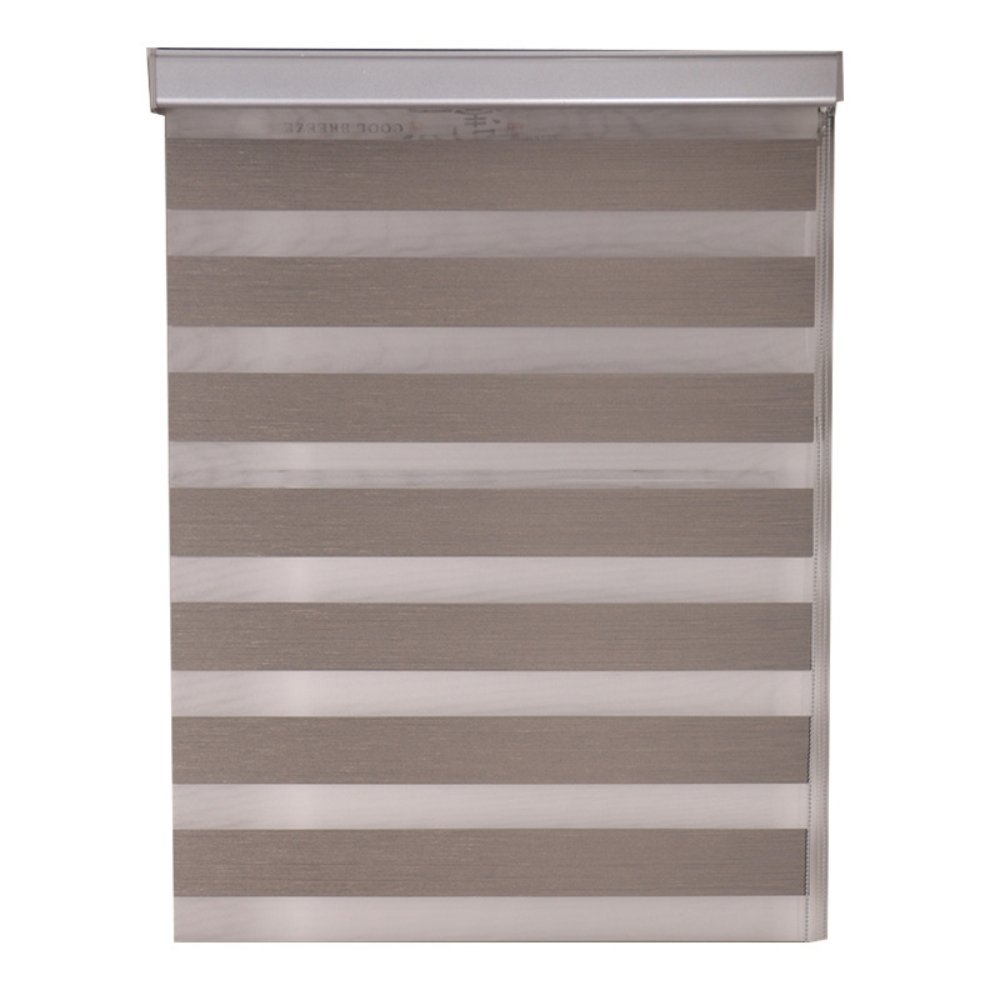
Actual product catalogued as Double-layer Venetian Blinds. The visible banded appearance does not verify material, construction or light performance.
Start with the actual banded product reference
The official Double-layer Venetian Blinds page shows a product with broad alternating bands of different visual appearance. Use that product page and image to identify the enquiry. A request for wholesale venetian blinds needs this specific reference because the supplier also lists a separately named Folding Venetian Blinds product with a different slatted appearance.
Ask the manufacturer to identify the offered variant before discussing a material or appearance sample. Retain the quotation reference, selected appearance and any supplier version identifier. A general category name does not establish that a sample from another listed blind represents the banded product being considered.
The sample request should answer a practical buying question: will the proposed reference let the buyer understand the appearance and repeat being offered? It should not add an assumed roller or slat construction, a two-layer operating mechanism or an unsupported light-performance claim to the supplier’s catalogue name.
Buying field
Requested supplier response
Exact product
Offered Double-layer Venetian Blinds reference and quoted variant.
Proposed sample type
Manufacturer description of a material piece, appearance reference or other sample it can offer.
Band coverage
Which visible band types and their relationship the proposed sample includes.
Repeat reference
Supplier explanation of the sequence or repeat represented, without an invented spacing.
Direction and boundaries
Orientation marks and an explanation of the beginning, ending and edges of the sample.
Offer linkage
Sample identifier and its mapping to the actual quotation, design and applicable version.
Ask what sample the manufacturer can actually provide
Request the supplier’s proposed sample format and the scope it is intended to represent. A small material reference, an appearance board and a finished-product sample can answer different questions. The buyer should know which type the manufacturer is offering rather than assuming that a product photograph confirms sample availability.
If a material or appearance piece is proposed, ask what it shows and what information accompanies it. Do not invent a sample size or describe a sample service as available before the supplier confirms it. The response should identify the proposed reference and any limits on the decisions it can support.
Keep the sample scope separate from a finished-product demonstration. A material piece may help explain the visible bands while leaving the assembled construction or operation unconfirmed. If the buyer needs information beyond the proposed sample, identify that additional question for the manufacturer instead of treating the sample as proof of everything about the blind.
Different product: Folding Venetian Blinds, shown straight on. This slatted reference is an alternative sample enquiry, not a component of the banded Double-layer product.
Make the band coverage and repeat understandable
Ask the manufacturer to identify the different band appearances relevant to its offered variant. The sample or accompanying reference should make their relationship understandable. A piece showing only part of one visual band may leave the buyer unable to tell which part of the catalogue appearance it represents.
Request the supplier’s explanation of the repeat or sequence represented by the sample. Where necessary, ask it to mark how the selected portion relates to a wider appearance reference. This guide does not prescribe a repeat dimension or infer one by measuring a catalogue photograph.
The visible difference between bands is an appearance observation. It does not independently establish opacity, blackout, privacy or another light-related performance result. A buyer seeking a performance specification should request the manufacturer’s applicable information for that separate question rather than reading a result into the sample image.
Identify direction, edges and the sampled portion
Ask the supplier to mark the intended viewing direction and explain which boundaries its sample represents. A top, bottom or other orientation reference is useful only when the manufacturer identifies its meaning. The buyer should not have to reconstruct the intended direction from an unlabelled piece or a tightly framed image.
Keep the sampled portion identifiable relative to the offered product. If the supplier marks the edges or provides an accompanying drawing, retain that reference with the sample identifier. Confirm whether the reference concerns appearance alone or another expressly stated purpose.
A sample boundary should not silently become an assumed finished-product dimension or construction detail. Request the manufacturer’s explanation of how the sample relates to its proposed product. No material composition, number of functional layers or operating arrangement is established here by the product name or photograph.
Different product: Folding Venetian Blinds, shown at an angle. Keep its offered reference and sample separate from the banded Double-layer product.
Keep the separately pictured blind samples identifiable
The two supporting slatted images in this guide belong to the separately catalogued Folding Venetian Blinds product. They show a straight light-coloured presentation and an angled blue presentation. They are comparison references for a different product enquiry, not components or confirmed variants of the banded Double-layer Venetian Blinds offer.
If the buyer is considering both listed products, request a separate reference and sample description for each. A sample associated with a slatted product should not be assigned to the banded product because both appear in the supplier’s blinds category. The supplier should identify the relevant quotation and proposed sample for each offer.
Before approving an appearance reference, retain its product name, offered variant, coverage explanation, orientation and sample identifier together. When a design or product reference changes, ask whether the earlier sample still applies. Preserve the previous decision as history and identify the reference that now represents the proposed order.
Buyer FAQ
Does the Double-layer name confirm a particular mechanism?
No. Request the manufacturer’s description of the offered construction. The catalogue name alone does not establish how layers or components function.
Can a small piece automatically represent the complete repeat?
No. Ask which band types and repeat relationship the proposed sample actually covers.
Do the band appearances prove blackout or privacy performance?
No. Appearance references do not independently establish those performance results.
Are the slatted supporting images parts of the banded offer?
No. They belong to the separately named Folding Venetian Blinds product and require their own offer and sample mapping.
What should an approved sample record retain?
The exact product and variant, sample identifier, band and repeat coverage, viewing direction, boundaries and stated decision scope.
Use the actual Double-layer Venetian Blinds reference for the banded sample enquiry. Keep the Folding Venetian Blinds reference separate. Request the manufacturer’s proposed sample coverage, or read related blinds purchasing articles.
Identify the exact quoted blind and variant.
Confirm band coverage, repeat relationship and orientation.
Keep samples for different catalogue products separate.
wholesale venetian blindsB2B supplier sample record