Blackout Curtain RFQs: Define the Evidence Scope
For a Blackout Curtains RFQ, ask the supplier what evidence supports the light-blocking description for the exact offered version. Request the product identity, supporting record and stated assessment scope before interpreting any result. Heqia’s reviewed page names Blackout Curtains but supplies no numerical blackout figure, test conditions or supporting result; the buyer’s useful next step is a traceable evidence request.
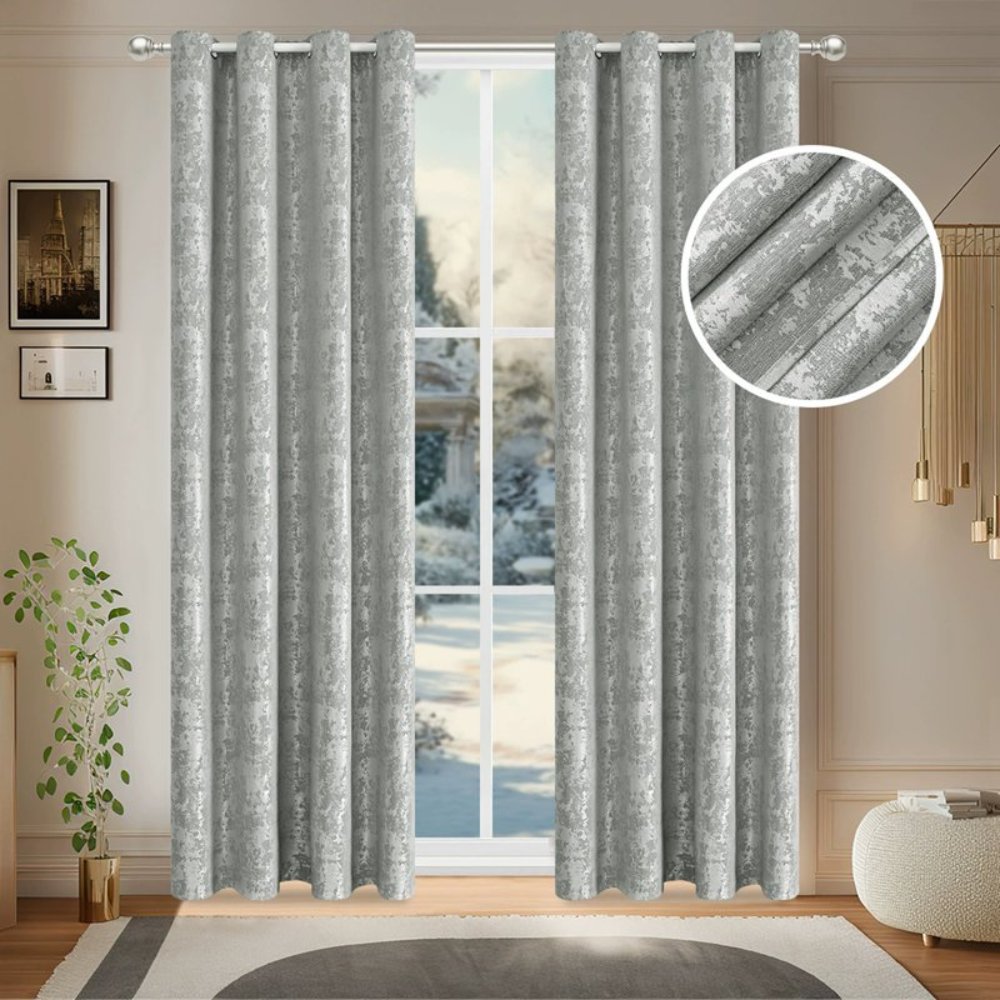
Blackout Curtains room-setting appearance with fabric detail inset. It is not a light-transmission measurement or verified room-performance result.
Separate the catalogue description from the buying requirement
Use the Blackout Curtains page to identify the proposal. Retain the catalogue wording in one field and place the buyer’s requested performance information in another. This prevents a product-family name from being treated as proof that a particular numerical requirement has already been met.
Identify the exact offered version in the request, using the supplier’s reference and the relevant catalogue appearance. If the supplier proposes an alternative construction or version, ask it to name that proposal separately. Keep the evidence request attached to the offered item rather than to every curtain that looks similar in the catalogue.
Ask which supporting record is available
Request the supplier’s available evidence and its identifying details. Ask for a document title, date, issuer or responsible source, reference number and the product identity shown in the record. If the supplier returns only a declaration, record it as a declaration rather than renaming it a test report.
Ask the supplier to explain what conclusion it relies on for its product description. Keep the supplied document or submission with that explanation so purchasing can read the claim and its support together. An isolated number or promotional description may leave the assessed product and the applicable conditions unclear.
Buying field
Requested supplier response
Catalogue wording
Blackout Curtains, retained as the product description
Offered version
Supplier model, revision and relevant product reference
Evidence identity
Document title, source, date and reference number
Assessment scope
Sample identity, conditions and criteria stated in the record
Reported conclusion
Exact stated result and any limits on its application
Buyer decision
Information accepted, further evidence requested or a remaining gap
Same grey product catalogue appearance. Ask the supplier to identify the offered version covered by any supporting record.
Match the record to the offered curtain
Ask how the product or sample identified in the evidence corresponds to the current offer. The supplier should state the relevant version or construction reference and explain any difference from the item described in the record. A similar photograph alone does not establish that correspondence.
Where more than one colour, material version or construction is proposed, ask the supplier which versions the submitted evidence covers. Do not silently apply a record to an unspecified range. Keep the supplier’s declared coverage beside each relevant offer line so a later substitution is visible before an earlier evidence decision is reused.
Read conditions before comparing a result
Request the conditions and criteria stated in the supplied record. Preserve its own terminology for the reported quantity and conclusion. If the buyer needs a particular assessment, state that as a buyer request and ask the supplier what evidence it can supply; the reviewed page provides no method, standard or threshold to assume.
When comparing submissions, keep the assessed sample, conditions and reported quantity beside the result. If those fields differ or remain incomplete, record the difference before treating two figures as equivalent. This is a procurement documentation task, not an instruction to reproduce a test or a claim that a photographed curtain has passed one.
Separate Marble Blackout Curtains product reference. Do not transfer an evidence record between differently identified offers without supplier-confirmed coverage.
Keep appearance and installation questions separate
The catalogue’s grey patterned room scene identifies an appearance and presentation. It does not measure light transmission or establish an effect in the buyer’s intended room. Keep appearance approval in its own record while the evidence question remains open, rather than giving the complete curtain an unexplained approved label.
Likewise, ask the supplier to identify any product configuration that its record requires the buyer to understand. Keep separate questions about dimensions, hanging arrangement and supplied hardware on their own specification lines. Do not turn this evidence request into an installation guide or infer a window-specific outcome from the catalogue scene.
Close the evidence request with a precise decision
A concise enquiry can say: “For the offered Blackout Curtains version, please identify the evidence supporting your light-blocking description. Return the record reference, the assessed product correspondence, the stated conditions and conclusion, and any limits on the versions covered. Identify any difference from the product proposed in this quotation.”
After review, record the document reference and the buyer’s decision beside the offer line. If more information is required, name the specific gap and keep the question open. Retain the supplier’s response so a new product revision can be checked against it. The result is an identified evidence scope, without inventing a blackout percentage, privacy or insulation outcome, certification, current stock or commercial promise.
Buyer FAQ
Does the word Blackout establish a percentage?
The reviewed page gives no numerical figure. Ask the supplier for its stated claim and the supporting evidence for the actual offered version.
Can a room photograph replace the evidence?
It is an appearance reference. It does not establish the assessed sample, conditions or a measured result.
What if the supplier only provides a declaration?
Record the evidence actually supplied as a declaration, identify its product coverage and retain any further information request separately.
Keep catalogue wording and buyer requirements separate.
Identify the evidence and the offered version it covers.
Record conclusions and remaining gaps without inventing results.
wholesale curtainsB2B supplier sample record