The Advantages of Smart Shades for Home Automation
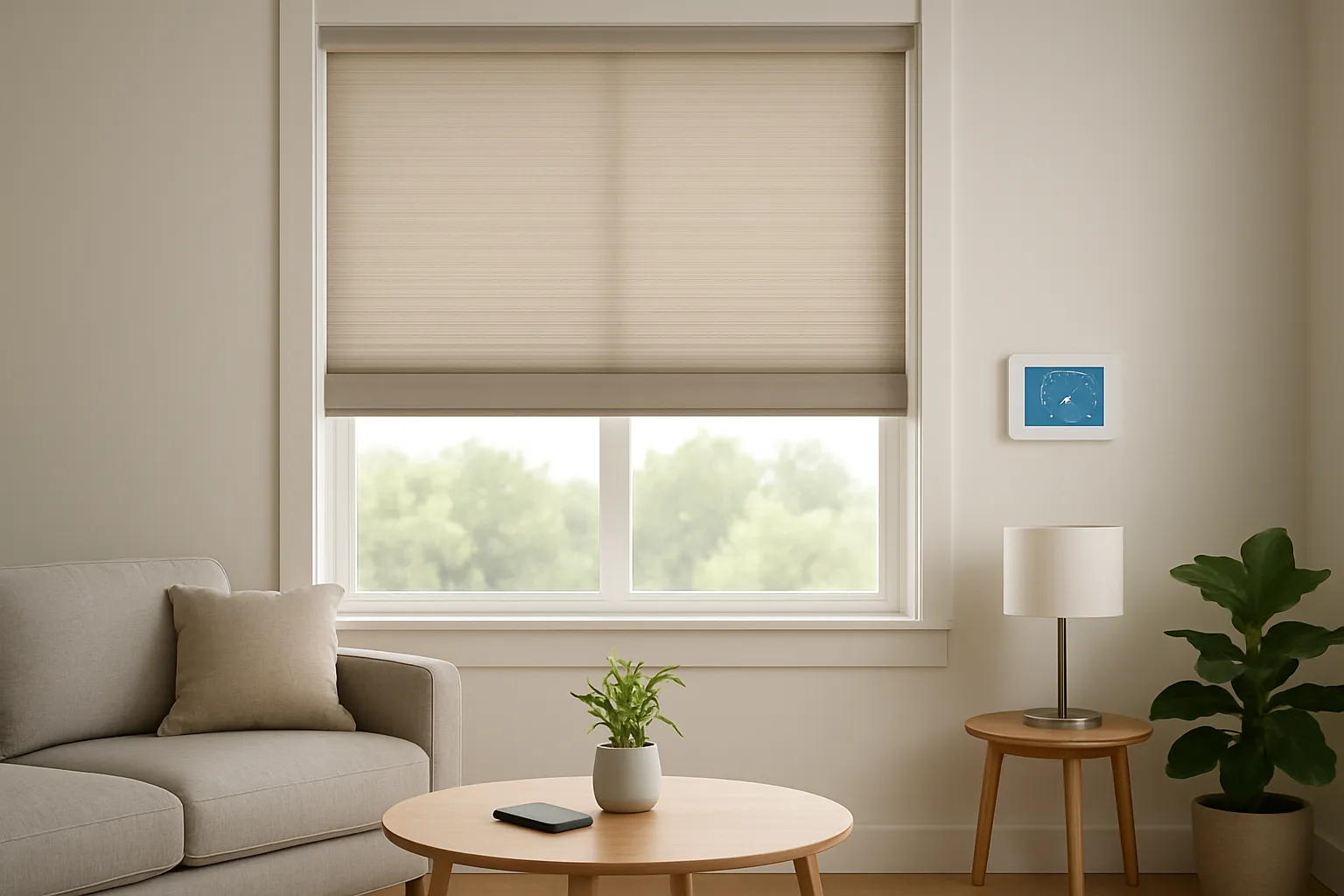
Smart shades have emerged as a game-changer in the realm of window treatments, seamlessly integrating into modern home automation systems. These innovative coverings not only enhance convenience but also contribute to energy efficiency and aesthetic appeal in both residential and commercial spaces. My experience in the industry has shown that smart shades are more than just window coverings; they represent a significant evolution in how we interact with our environments.
Understanding Smart Shades
When considering smart shades, it’s essential to explore the various types available. Popular options include roller shades, cellular shades, and Roman shades, each offering distinct advantages tailored to individual preferences and requirements. In my opinion, the integration of technology is what sets smart shades apart. Many products boast compatibility with major home automation platforms like Google Home, Amazon Alexa, and Apple HomeKit, allowing control through voice commands or smartphone apps. This level of convenience is something traditional home curtains simply cannot provide.
Energy efficiency is another critical aspect of smart shades. Numerous models are designed with insulating properties that help maintain comfortable indoor temperatures, reducing the demand on heating and cooling systems. From what I have seen, this not only creates a more pleasant living environment but also leads to significant energy savings over time.
Practical Applications of Smart Shades
Smart shades are versatile, finding applications in both residential and commercial settings. In homes, they can be programmed to open and close at predetermined times, ensuring privacy at night while allowing natural light to fill the space during the day. This not only enhances comfort but also aids in energy conservation.
In commercial environments, smart shades can effectively manage glare and heat in office buildings, which can improve employee productivity and comfort levels. Additionally, they can be integrated into conference room technologies, automatically adjusting to optimize lighting conditions for presentations. I believe that enhancing user experience is a key benefit of smart shades, as features like remote access and programmable settings allow users to customize their window treatments according to their lifestyle, whether they are at home or away.
Smart Shades vs. Traditional Curtains
The differences between smart shades and traditional home curtains are striking. Smart shades offer automated control and energy-saving features that standard curtains simply do not. While curtains might serve a basic aesthetic function, they lack the convenience and efficiency provided by smart shades.
From a cost perspective, while the initial investment in smart shades may exceed that of traditional curtains, the long-term savings on energy bills and the added convenience often justify the expense. Moreover, the durability of smart shades can lead to lower replacement costs over time. In my experience, aesthetic considerations also play a crucial role in decision-making; smart shades are available in a wide array of styles, colors, and materials, allowing homeowners and businesses to choose options that enhance their existing décor.
Sourcing Smart Shades for Your Business
For businesses eager to incorporate smart shades into their offerings, sourcing from reputable manufacturers is essential. Leading brands in the smart shades market, such as Lutron, Hunter Douglas, and IKEA, are known for their quality and innovation in the window treatment sector. Evaluating supplier reliability is crucial; businesses should consider warranty offerings, customer service reputation, and product reviews to ensure they partner with trustworthy suppliers.
Pricing for smart shades can vary significantly based on type, features, and brand. I recommend conducting thorough market research to establish a competitive pricing strategy while ensuring the quality of products meets customer expectations.
Integrating Smart Shades into Home Automation
Integrating smart shades into existing home automation systems can be a straightforward process, but it requires careful planning. The installation typically involves mounting the shades and connecting them to the home’s Wi-Fi network, which may necessitate professional assistance for more complex setups.
Compatibility with existing systems is another vital consideration. Many smart shades are designed to function with various home automation platforms, but it’s crucial to verify compatibility prior to purchase. Ongoing maintenance and support are key to ensuring the longevity of smart shades. Regular software updates and prompt troubleshooting can help address any issues, keeping the system running smoothly.
Frequently Asked Questions
Common concerns regarding smart shades often center around their reliability and ease of use. Users frequently inquire about troubleshooting connectivity issues or whether smart shades can operate during power outages. Most manufacturers provide comprehensive guides and customer support to address these concerns.
Looking ahead, advancements in artificial intelligence and machine learning are poised to make smart shades even more intuitive. I expect to see shades that learn user preferences and adjust automatically based on the time of day, weather conditions, or even occupancy levels.
In conclusion, smart shades present a compelling solution for modern home automation systems, blending functionality, energy efficiency, and aesthetic appeal. As the appetite for smart home technologies continues to grow, investing in smart shades can significantly enhance both residential and commercial environments, offering substantial benefits for users.