
Blind RFQs: Separate Lift and Tilt Controls
A wholesale Venetian-blind enquiry should ask the supplier to identify the function of each control on the actual offered assembly. Changing blind height and changing slat angle are different purchasing questions, even when the controls appear close together in a photograph. Request a supplier-confirmed lift-and-tilt map that connects the visible components to their declared functions and the applicable manufacturer instructions.
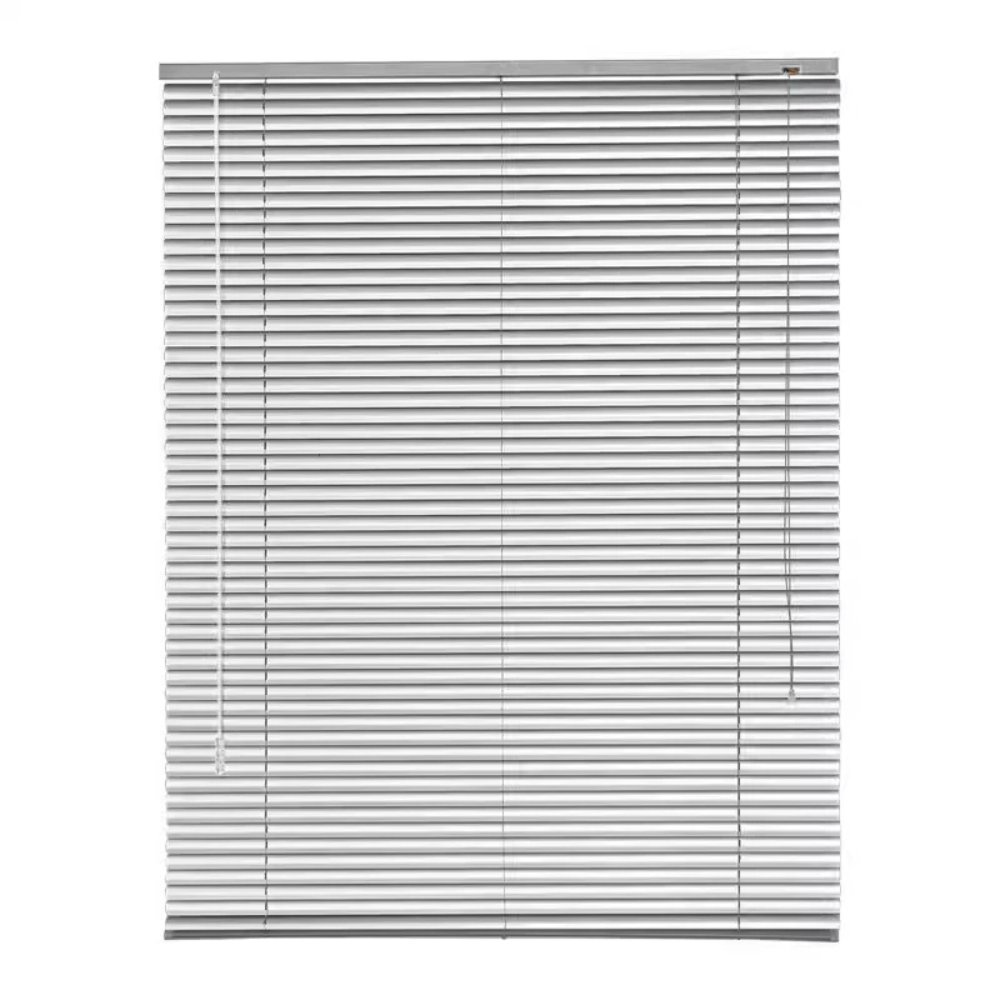
Folding Venetian Blinds product reference; the function of each control and the supplied components require manufacturer confirmation.
Start with the actual Folding Venetian Blinds reference
Shaoxing Heqia Textile lists a product named Folding Venetian Blinds and shows horizontal-slatted blind presentations in its official gallery. The pictures include a headrail and visible hanging controls. The page provides a product identity and a visual starting point, while leaving the functions and specification of the actual offered controls for the manufacturer to describe.
Identify the product page, offered version and sample reference in the enquiry. Ask the supplier which gallery presentation corresponds to the proposed assembly. A similar colour or slat appearance does not establish that two blind versions use the same control arrangement. Keep an undecided control specification open rather than completing it from a familiar-looking product image.
Give every relevant control a clear reference
Ask the manufacturer to return an annotated drawing or identified sample picture that labels the relevant control components. A simple reference such as a supplier-assigned component name can make each response traceable. The aim is to identify what the supplier is describing before the buyer asks how that component functions.
The reference should state the viewing direction and the assembly condition used in the drawing. A control shown on one side in a catalogue image should not automatically become a fixed left-or-right requirement for the order. Ask which arrangement the manufacturer proposes and whether another arrangement is an offered alternative. Do not assume a cord, wand or other component type where the supplier has not identified it.
Second Folding Venetian Blinds gallery presentation; this is not confirmation of the same offered variant, material, dimensions or included mounting parts.
Separate the height function from the slat-angle function
Request a declared function for each identified control. Where the actual offer provides a height-changing function, ask which control the manufacturer assigns to it. Where it provides a slat-angle function, ask the same question separately. The supplier should explain any relationship between the functions and identify the manufacturer document that describes the offered assembly.
This is a request for an accurate product map, rather than an operating procedure. A still photograph does not demonstrate a function or establish how a buyer should manipulate a component. Keep the document request specific to the proposed blind and its version instead of supplying generic instructions from another model or inferring an action from the position of a hanging control.
Buying field
Requested supplier response
Offered assembly
Actual Folding Venetian Blinds version and applicable sample or supplier product reference.
Control identifier
Manufacturer name or drawing label for each relevant visible component.
Viewing reference
Front or other identified view and the proposed arrangement shown.
Height function
Supplier statement of the component and function applicable to the offered assembly.
Slat-angle function
Separate supplier statement of the relevant control and its declared function.
Instruction reference
Manufacturer document, version and any stated applicability limits for the actual controls.
Resolve differences between catalogue presentations
The gallery includes a light front-view blind and an angled blue presentation. Use those views to identify questions, while asking the supplier whether they depict the same proposed control specification. A different viewing angle can reveal a component that is less clear in another image, but it cannot establish interchangeability or explain a hidden mechanism.
If a quotation identifies an alternative arrangement, request a separate map for that proposal. Keep the alternative and the requested arrangement distinguishable in the conversation. A buyer can then compare what the supplier actually offers without assuming that every pictured feature is included in every colour or product version.
Separate Double-layer Venetian Blinds catalogue product; band appearance does not verify material, light performance or membership in the slatted-blind offer.
Keep different blind products in separate records
Heqia also lists Double-layer Venetian Blinds. Its separate gallery reference shows broad alternating bands and a different overall appearance from the horizontal-slatted Folding Venetian Blinds images. That related catalogue product can help the buyer identify a different enquiry, but its name and photograph should not be used to complete the control map for the selected slatted-blind offer.
Where a purchasing team considers both products, give each its own product reference, sample and supplier response. Ask the manufacturer to describe the offered construction and relevant functions for each. Do not transfer a control arrangement, material description or performance statement between the products merely because both appear under a broad window-covering category.
Close the map against the supplier response
Retain the annotated control reference, supplier function declarations and applicable instruction document with the quotation. Identify any response that remains unclear and ask the manufacturer to address the specific component concerned. An approval of a visual layout should not be treated as approval of a function that the supplier has not yet documented.
If the proposed assembly changes, request an updated map and a statement of which sample the revision represents. The record supports a clear purchasing discussion without inventing a control force, rotation angle, motor specification or operating limit. Commercial availability, mounting requirements and any other required product evidence remain part of the manufacturer’s actual offer.
Buyer FAQ
Can a photograph identify the function of a hanging control?
It can help locate a question, but it cannot verify the function. Ask the manufacturer to label the controls and state their applicable functions.
Are lift and tilt one requirement?
Keep them as separate response fields so the supplier can identify how each relevant function is provided in the actual offer.
Does this article give operating instructions?
No. Request the manufacturer’s applicable instructions for the exact assembly rather than substituting a generic procedure.
Can a related banded-blind image complete the map?
No. Keep the separately named product and its manufacturer-confirmed construction and control information in its own enquiry record.
Use the Folding Venetian Blinds product reference and keep the separate Double-layer catalogue reference distinct. Request the manufacturer’s map for the actual proposed assembly.
Identify the actual blind and label its relevant controls.
Request separate supplier statements for height and slat-angle functions.
Keep the applicable drawing, sample and manufacturer instructions together.
wholesale venetian blindsB2B supplier sample record